
Fit and use
Check inside clearance, product orientation, insert retention, opening, removal and closure with the product inside.
INDUSTRY KNOWLEDGE · BUYER DECISION GUIDE
Choose the packaging around the real product and its sales channel, then compare suppliers against the same written brief. Before a bulk order, approve a physical sample and record what it does—and does not—prove. The four tools below help you avoid comparing unlike quotes or treating an attractive photo as a confirmed specification.
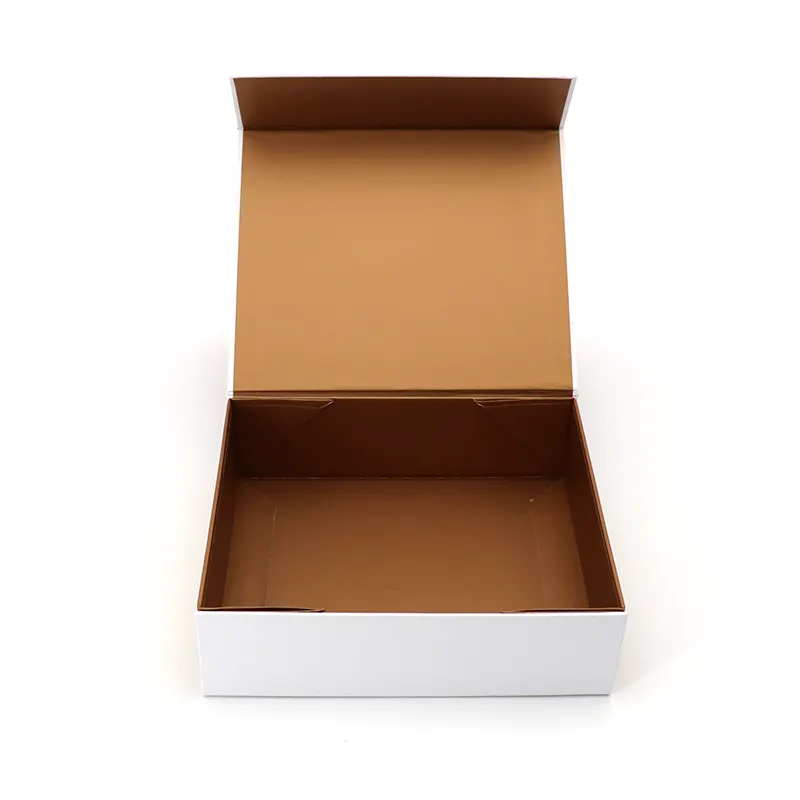
01 · PRODUCT FIT
Start with how the product is packed, displayed, opened and shipped. These prompts narrow the first shortlist; they are not performance claims about a whole box category.

| Structure to review | Buyer question |
|---|---|
| Drawer box | Would a slide-open reveal help the presentation, and can the packed product be removed without disturbing the insert? |
| Lid and base gift box | Does the product need a separate lift-off lid and a presentation-focused opening? |
| Flip and magnetic box | Would an attached cover better suit the intended opening and display? Confirm the closure on a sample. |
| Book and foldable box | Is a hinged or foldable-looking form useful? Confirm the actual assembly and delivery form; a photo does not prove it ships flat. |
| Folding carton | Does a printed carton fit the retail display and packing workflow? Check its assembled fit, closure and board choice. |
| Window and hanger box | Must the item be visible through a window or displayed on a peg? Check the viewing area and hanging arrangement on a sample. |
| Corrugated mailer | Will the pack travel through parcel handling? Review fit, closure and the complete packed-product test route. |
| Paper bag | Will the customer carry a boxed product or loose items? Check bag dimensions, handles and reinforcement with the intended contents. |
Send the real product or representative dimensions before choosing by appearance alone. For a deeper comparison of a specific hinged reference, read the collapsible rigid box versus setup box guide.
02 · COMPARABLE QUOTES
Give every supplier the same starting information. If an item is unknown, label it as an open decision; do not let different suppliers silently assume different specifications.

Use the box measurement and dieline guide for a dimensions brief, the insert selection guide for product retention, and the OEM packaging process for the development-to-production route.
03 · SAMPLE APPROVAL
Put the actual product in the sample and ask the team that will pack it to try the proposed sequence. An empty display sample cannot establish packed-product fit or shipping performance.
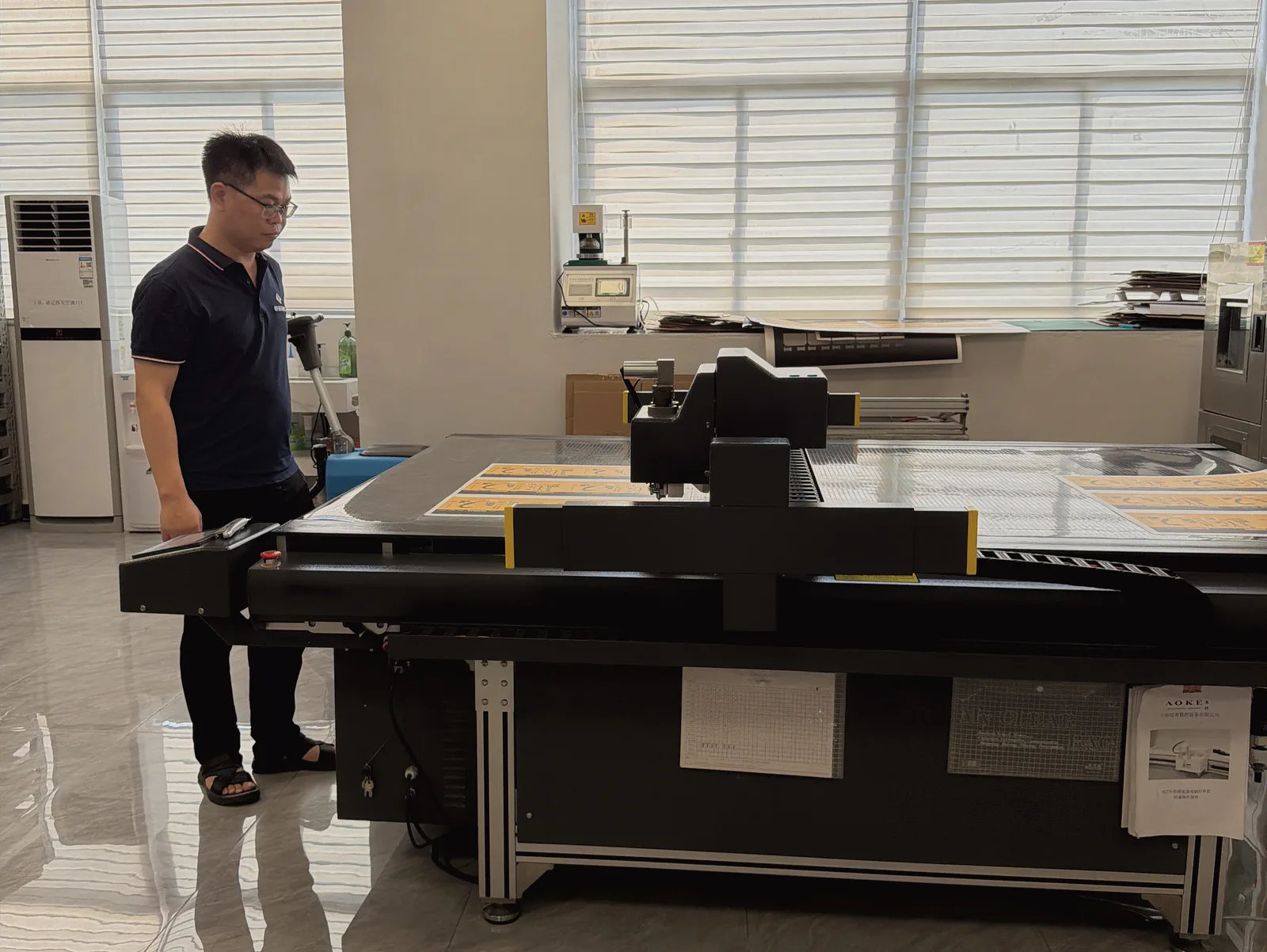
Check inside clearance, product orientation, insert retention, opening, removal and closure with the product inside.
Compare the approved artwork and finish direction with the visible sample; inspect folds, corners, alignment and handling marks.
Confirm which components arrive assembled, who completes any assembly, and how the approved unit will be packed for delivery.
Record the sample version and every agreed change before bulk production. The quality-control overview explains the checkpoints to discuss with the supplier; it does not replace project-specific acceptance criteria.
04 · CLAIMS AND DOCUMENTS
Separate a design option from a verified property. Ask for the document or test that applies to the exact material, supplier, product configuration and market involved in your order.
| If a claim is proposed | Ask what supports it |
|---|---|
| Material or recycled-content claim | What is the named material, source and applicable supporting document? Which components are covered? |
| Strength or transit claim | Which packed configuration, test method and result apply? Do not transfer a result from another box or route. |
| Certification or chain-of-custody claim | Is the document current, within scope and applicable to this order and printed claim? |
| Finish or color promise | Which approved sample, artwork version and acceptance reference will be used? |
Review materials and finishes and the certificate-verification guide before repeating any claim in buyer-facing copy.